
Debit card fraud protection and safety tips
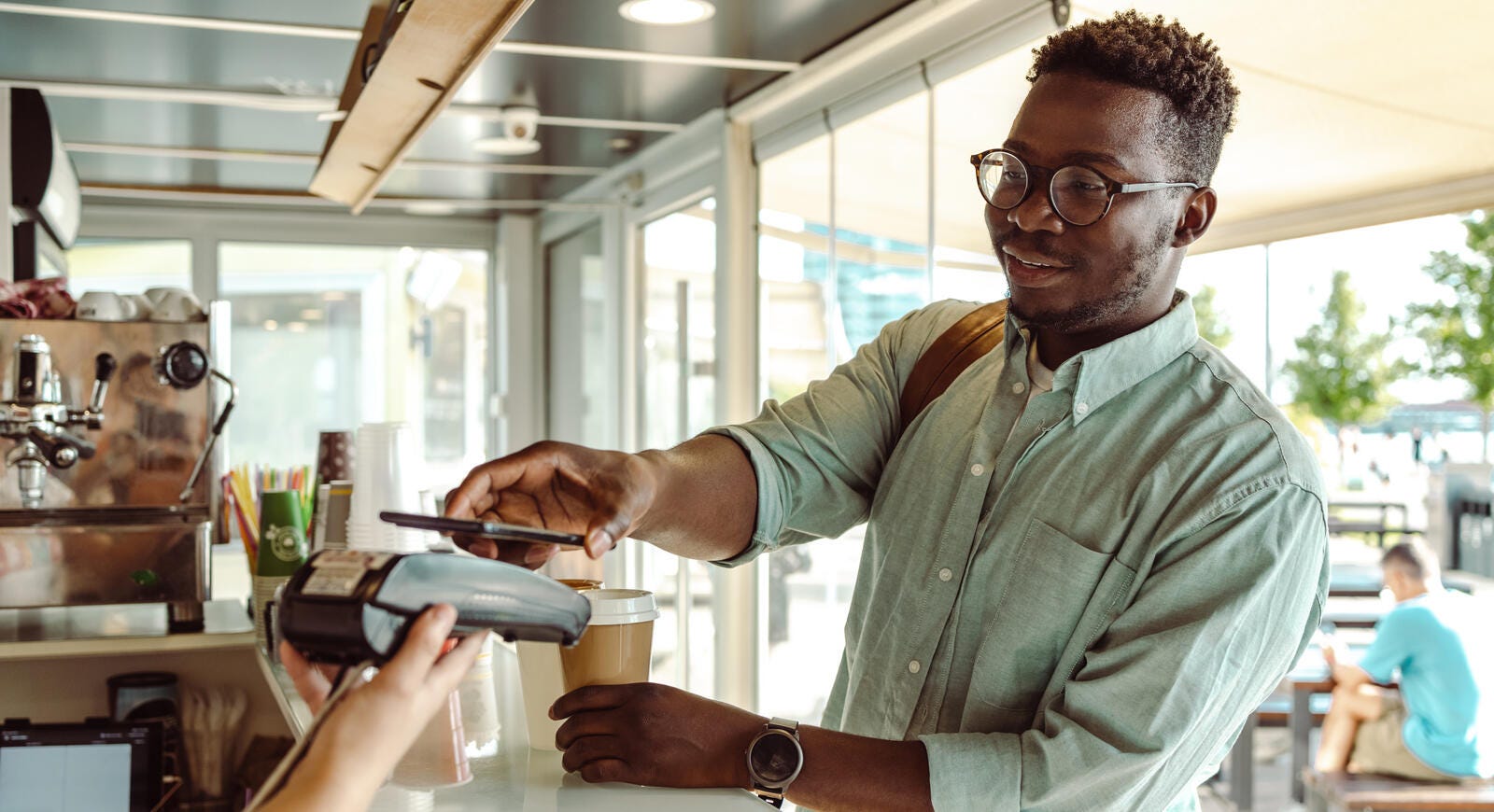
Protect your debit card by pairing bank safeguards, like real-time alerts, card freeze and unfreeze and zero liability coverage, with daily safety habits, such as keeping your PIN private, using digital wallets and checking transactions frequently. Federal law also limits your liability if you report unauthorized charges promptly.
Key takeaways
- Chip technology and digital wallets1 provide added protection when using your debit card for daily transactions.
- Knowing what additional protections are available to you through your bank, like zero liability2, freeze/unfreeze options and real-time fraud alerts, can help you stay safe.
- Even with all the policies and safeguards in place, you can still do your part to prevent fraud by never giving out your PIN, reviewing activity in your bank accounts regularly and avoiding public Wi-Fi.
- The Electronic Fund Transfer Act (Regulation E) limits your liability for unauthorized debit card transactions, which is as little as $50 if you report fraud within two business days.
Debit cards are one of the most convenient and frequently used tools for daily spending, but staying safe requires understanding modern fraud tactics. According to the 2026 Citizens Cybersecurity & Fraud Survey, 50% of consumers have experienced an online scam or fraud attempt, and 90% agree that AI, deepfakes and realistic impersonation make scams harder to spot than ever.
While financial institutions monitor accounts behind the scenes 24/7, effective protection isn't a single action. It's an ongoing partnership between bank safeguards and everyday consumer habits. Learn how to protect your card before fraud happens with simple habits like monitoring transactions, setting alerts and understanding your card controls. Then, explore the steps to take if your account is ever compromised.
Common types of debit card fraud
Fraudsters often use common strategies to steal debit card information and make fraudulent purchases. Recognizing these tactics can help you spot suspicious activity when shopping in person or online.
Frequently used methods include:
- Card theft or lost cards: Fraudsters use a physically lost or stolen debit card to make purchases or withdrawals.
- Card skimming: Criminals place devices on ATMs or payment terminals to capture card information.
- Digital wallet or account takeover fraud: Fraudsters gain access to online banking or payment apps to make unauthorized transactions.
- Online shopping fraud: Card details are compromised through fake websites, data breaches or fraudulent merchants.
- Phishing and smishing scams: Fraudsters use emails and text messages that appear legitimate to trick customers into sharing card or account information.
Tips to protect your account before fraud occurs
Even with all the policies and safeguards in place to protect you, you still need to do your part to keep your accounts safe. After all, no one wants to be a victim of fraud.
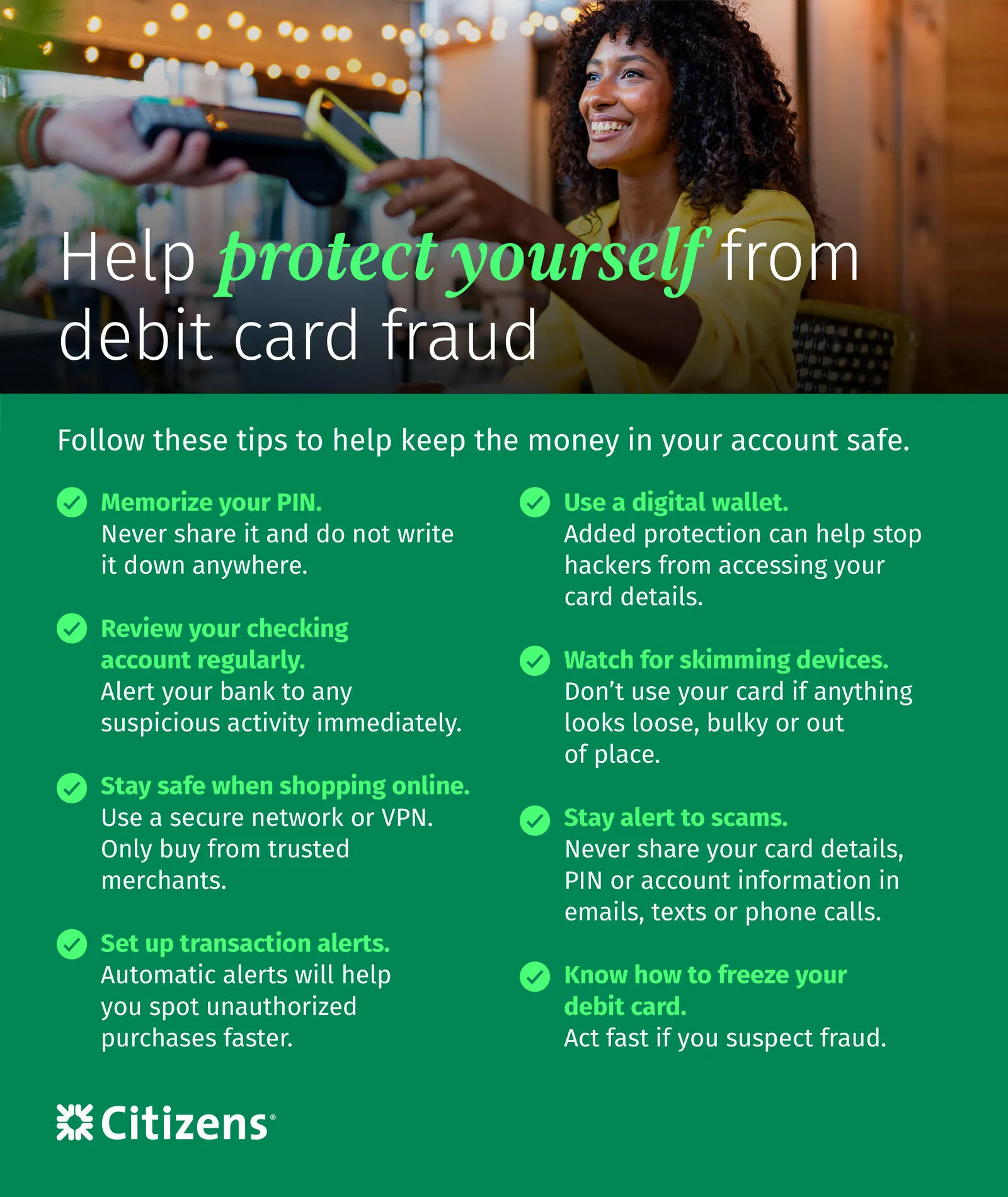
Protect yourself by following these tips:
- Protect your PIN and personal information. Memorize your PIN. Never write it on your debit card or share it with anyone.
- Review your checking account activity regularly, especially if you use online or mobile banking. Report any discrepancies to your bank immediately.
- Use secure networks or VPNs when banking and shopping online.
- Set up debit card transaction alerts so you'll be the first to know if an unauthorized purchase has been made.
- Buy from trusted merchants when shopping online. One quick way to verify a website is to look for the security lock symbol next to the URL.
- Use a digital wallet. With multiple layers of security, digital wallets1 offer added protection and use tokenization, one of the more secure payment methods available.
- Watch for skimming devices. Before inserting your card at an ATM or payment terminal, check for anything that looks loose, bulky or out of place. Bank ATMs tend to be more secure than standalone machines at gas stations or convenience stores.
- Be alert to phishing scams. Never share your card details, PIN or account information in response to unsolicited emails, texts or phone calls, even if they appear to come from your bank.
- Know how to freeze your card. Learn how to freeze and unfreeze your debit card so you can act quickly if you suspect fraud. The Citizens mobile app allows you to quickly freeze or unfreeze your cards in the "Manage Cards" section of the app.
How to spot debit card fraud
Identifying debit card fraud early allows you to take immediate action to prevent additional charges you didn't authorize. The key is to monitor your accounts regularly and know what warning signs to watch for:
- Purchases you don't recognize: Look for unfamiliar merchants and purchase amounts that don't make sense.
- Small "test" transactions: Fraudsters may make very small transactions to confirm the card is active before attempting larger purchases.
- Alerts for purchases you didn't make: Email and text alerts help you identify unauthorized transactions in real time.
- Unexpected changes to your account information: Fraudsters may change your password, mailing address, email address, security questions and other information to lock you out of your account.
- Digital wallet activity you don't recognize: You may receive a verification code you didn't request or a notification that your debit card has been added to a digital wallet.
What to do if you suspect debit card fraud
If you believe someone has made fraudulent purchases with your debit card information, take immediate action. Delaying could result in additional charges you didn't authorize.
If something seems unusual, take these immediate steps:
1. Review your purchases
Take a moment to review the transaction details. Do you recognize the merchant? Did you buy anything from that business recently? If not, someone may be making fraudulent purchases with your debit card information.
2. Freeze your card
Log in to your account through your bank's mobile app or call your bank. Then freeze your card to prevent additional unauthorized purchases. If you find the transaction wasn't fraudulent, you can unfreeze your card the same way.
3. Contact your bank
Report suspected fraud to your bank right away. They will open an investigation, cancel your debit card to prevent additional charges and then issue and mail you a new card.
4. Monitor your account
Closely watch your account through your bank's mobile app for additional fraudulent activity. Change your passwords and security questions to prevent unauthorized account access. Also, set up email or text alerts to receive real-time purchase notifications.
5. Update scheduled payments
After receiving your new debit card, log in to your account and update your payment information if you have any scheduled payments. This helps prevent declined payments and late fees.
How federal law protects your debit card from unauthorized charges
Federal law, specifically the Electronic Fund Transfer Act (EFTA), also known as Regulation E, offers important protection for debit card users. If someone makes unauthorized transactions with your card, you're only responsible for limited losses as long as you report the fraud promptly.
Under the EFTA, your liability could be limited to $50 if you report a lost or stolen card promptly . Reporting quickly helps ensure you aren't held responsible for charges you didn't make.
If your debit card is lost or stolen, you have multiple options to "freeze" and replace it. Start by notifying your bank as soon as you know your card is missing. This can help limit unauthorized activity.
How your bank protects you from debit card theft
Beyond federal protections, banks add layers of security to help safeguard your money. At Citizens, you can freeze and unfreeze your card in the mobile app1, and you have access to zero liability protection. Digital wallets can also add encryption and tokenization, keeping your card details safe during transactions.
Here's how Citizens helps protect you from fraud:
- Citizens mobile app: Securely monitor your account information in the app. View account balances and recent transactions or order a replacement debit card without visiting a branch.
- Transaction alerts: Receive purchase notifications in real time. If anything looks suspicious, you can act immediately to protect your account.
- Freeze/unfreeze controls: If you believe someone is using your debit card for fraudulent purchases, freeze your card in the Citizens mobile app to help prevent additional charges. You can unfreeze your card the same way.
- Zero liability protection: You aren't responsible for unauthorized transactions when they're reported promptly. You can file a claim for suspected debit card fraud in the Citizens mobile app.
- Fraud and Security Center resources: Visit the Citizens Fraud and Security Center to learn how to safeguard your account information from common scams and the steps you should take if you're a victim of fraud.
What to remember about debit card fraud protection
Once you understand your bank's fraud liability policy, you can feel more confident using your debit card. Keeping your personal information safe and practicing good security habits are your first lines of defense, but if fraudulent charges do happen, safeguards have you covered as long as you monitor your account regularly and catch and report them quickly.
Frequently asked questions
Can someone use my debit card without having the physical card?
Yes, fraudsters can make some transactions, such as online purchases, without having your debit card. All they need is your card information.
Is it safe to use a debit card for online purchases?
Using a debit card for online purchases is generally considered safe as long as you take precautions. Shop only on secure websites from trusted merchants that show a security lock symbol next to the URL. Also, never use public Wi-Fi or shared computers when making online transactions.
What is the difference between debit card fraud and identity theft?
Debit card fraud occurs when someone steals your debit card information and uses it to make unauthorized purchases. Identity theft occurs when someone steals your personal information and pretends to be you. They may open bank accounts, credit cards and other accounts in your name.
Are debit cards protected against fraud?
Most banks and credit unions offer debit card fraud protection, although the level of protection varies. With Citizens, you have zero liability protection, meaning you aren't responsible for unauthorized purchases when they're reported promptly.
Are digital wallets safer than using a physical debit card?
Digital wallets add extra layers of protection to safeguard your account information, and device authentication helps ensure it's really you making the purchase. Instead of sharing your debit card information, digital wallets use encrypted digital tokens for transactions, making it harder for fraudsters to steal your card information.
Ready to move toward your financial goals?
At Citizens, we understand you want peace of mind when you bank and shop online. Our debit card includes zero liability coverage, so you won't be responsible for unauthorized transactions if you report them promptly. With our 24/7 fraud monitoring and alerts, we help detect and address suspicious activity quickly. Learn more about Citizens checking accounts and debit cards, a simple and secure way to pay with confidence.
Related topics

How to shop safely online
Shopping online is easy and convenient, but is it safe? Here’s how to keep yourself and your money protected.

What are digital wallets and are they safe?
A digital wallet stores your credit or debit card information so you can make purchases with your phone. Explore how they work.

When to use credit vs debit
With so many payment options available, what's the best way to pay for a purchase? Learn when to use each.
© Citizens Financial Group, Inc. All rights reserved. Citizens Bank, N.A. Member FDIC
Disclaimer: The information contained herein is for informational purposes only as a service to the public, and is not legal advice or a substitute for legal counsel. You should do your own research and/or contact your own legal or tax advisor for assistance with questions you may have on the information contained herein.
1 Wireless carrier, text, and/or data charges may apply.
2 The Citizens Zero Liability coverage protects you from being held responsible for unauthorized transactions on your Citizens debit card when reported promptly. Claims of unauthorized use are subject to verification and investigation. For more information, please visit our Zero Liability page at https://www.citizensbank.com/checking/debit-cards/zero-liability.aspx
Mastercard and the circles design are registered trademarks of Mastercard International Incorporated.
Credit Cards are issued by Citizens Bank, N.A. pursuant to license by Mastercard International Incorporated.
The Contactless Symbol and Contactless Indicator are trademarks owned by and used with the permission of EMVCo, LLC.